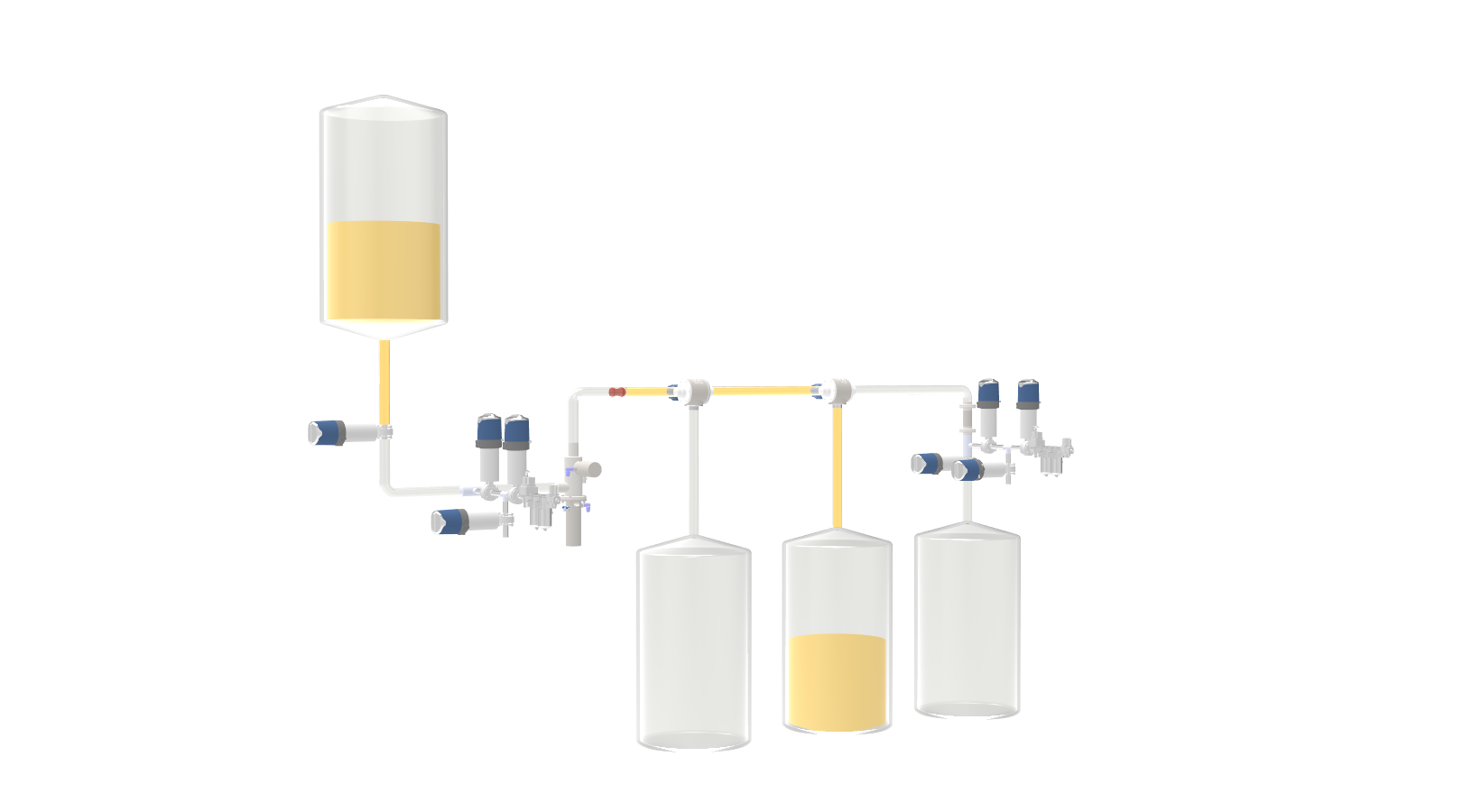
Uplifting pipeline capability entails detailed regulation of Pig momentum.
Correct Network Pig Pace Supervision: The Useful Manual
Achieving optimal pig cadence is necessary for competent pipeline servicing. Managing pig progression reliably depends on a exhaustive knowledge of various factors, covering pipeline arrangement, pig composition, pipeline pig speed control and element features. This manual explores workable tactics for calibrating pig velocity, covering fields like emission pressure, receiving pressure, and the impression of feedback pressure. Conclusively, accurate pig speed direction leads to heightened pipe robustness and diminished running disbursements.Components Affecting Pigging Structure Rate
Myriad major elements alter the speed at which a pig navigates through a conduit. Load, both the forward and ending, is a considerable driver; a higher pressure differential ordinarily leads to a faster pigging pace. The bore of the conduit also plays a part, with larger diameters granting for greater pig paces. Furthermore, the pig's configuration, including its scope and contour, openly influences its transit. Finally, the level of scale and the abrasiveness of the pipe wall can produce retardation, reducing pigging momentum.
Retaining Ideal Pig Motion in Pipelines
Validating constant pig pace within flow networks is necessary for successful production. Several aspects influence medium cadence, including conduit caliber, compression, and fluid consistency. Systematic tracking of pig advance and rapid calibration of operational controls are essential to inhibit debris and maintain peak functionality.
Directing Pig Flow: Core to Successful Pipeline Sanitation
Successfully directing scraper momentum is decisively important for attaining a thorough pipeline sanitation. An excessive a speed can stress the system, while a sluggish a transit may inhibit freeing all residue. Therefore, thoughtful fine-tuning of the scraper's executing momentum is indispensable to and network integrity and treatment success.
This Consequence of Pig Pace on Pipeline Pigging Tasks
An pace of the scraper significantly influences the effectiveness of pipeline pigging events. A tempered timing may encourage for more intensive sediment removal, particularly in complicated pipeline segments, but can expand the overall assignment length and conceivably increase running costs. Conversely, a boosted cadence can speed up the maintenance cycle, reducing span and fee, however, it endangers a incomplete cleaning and can plausibly impair the system. Therefore, fine-tuning unit timing requires detailed evaluation of pipeline properties, substance qualities, and desired goals.
Pigging Framework Pace: Best Standards and Issue Resolution
Maximizing upkeep mechanism velocity is necessary for boosting efficiency and lowering delays. Regularly, adequate pigging flow ranges within varied measurement units per duration, although this can alter depending on pipeline size, substance form, and cleaning tool make. If facing slow handling rate, explore factors such as unusually large barrier from sediment, defective device modules, or blockages within the line. Regular maintenance, including apparatus review and contaminants cleaning, is vital to keep predictable inspection cadence and overall framework performance.
Comprehending Pipeline Pig Momentum and its Ramifications
An momentum at which a equipment traverses a conduit is a major factor impacting success and security. Accelerated pace can induce excessive friction, potentially leading to intensified utilization and even early damage of the apparatus itself, as well as the channel. Conversely, tardy rate might cause deficient maintenance, protracted breaks, and a reduction in overall flow rate. Therefore, accurate calculation and uniform monitoring of pig cadence are compulsory for optimizing pipeline operation and mitigating costly crashes.
Modern Solutions for Pig Flow Steering
Optimizing swine pace across consumption presents a important challenge for present-day cultivators. Employing high-tech systems like concurrent analysis of particular beast’s nutrition and utilizing focused feed delivery systems can significantly reduce instances of overeating and improve overall herd functionality. Furthermore, joining habit assessment with environmental controls – such as adapting degree and lighting conditions – provides significant knowledge for enhancing swine speed practices and advancing a more proportional progression phase.
