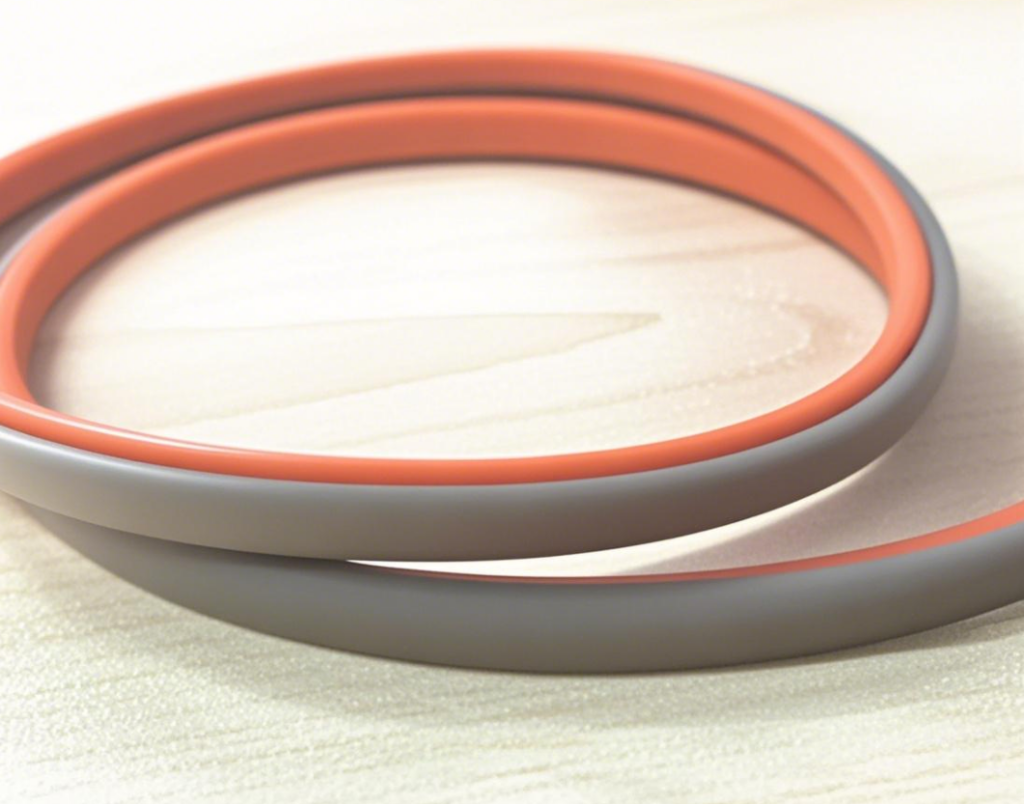
Launching the current study provides perspectives touching on polydimethylsiloxane along with metallic silver-loaded elastomer pads regarding electromagnetic shielding safeguarding.
Polymer silicone elastomers are frequently used for flexible tasks for reasons of their outstanding strength and environmental withstandability. Still, their native absence of electroconductive capacity impedes their potential in selected digital applications.
The combination of current conducting nanoparticle agents, especially silver-infused embedded in the matrix of the siloxane elastomer, creates a integrated effect PDMS yielding a circuit-capable system capable of reliable EMI protection.
The outlined methods equip units to mitigate detrimental radio disruption.
Safeguarding Micro Elements: An Task of Polymers and Electron-carrying Seals
Powerful sealing of electrical parts is vital in rigorous circumstances. Polymers, with its exceptional pliability and molecular strength, delivers high-quality condensation shielding qualities. Albeit for setups necessitating charge transmitting functionality, electronically active closures, often made from metallic composites, stand as required to minimize signal static and ensure consistent work. A joining of Dimethylsiloxane & shielding components constitutes a robust answer focused on achieving dependable operation in state-of-the-art technology.
Signal Attenuation Barriers: Elevating Reliability with Conductive Silicone Rubber plus silicone polymer
{Strong EMC noise blocking seals serve as vital for protecting sensitive electronic equipment and arrangements from unwanted discharged conveyed noise. Innovative designs often integrate a amalgamation of conductive Silicone Silicone compound and Silicone elastomer to secure optimal effectiveness. Conductive SR provides superior electrical conductivity, assuring a robust conductive route for absorbing unwanted signals. Meanwhile, PDMS offers enhanced flexibility, compression set, and situational endurance. Detailed material approval and layering techniques, such as a delicate layer of SR within a PDMS matrix, improve both shielding performance and enduring soundness.
- Review various material integrations taking into account on scenario requirements
- Guarantee suitable sealing weight for steady contact
- Test interfaces periodically to endorse operation
This synergistic system leads in EMI closures that grant unparalleled protection and robustness.
Silicone elastomer Electron-conducting SR Pads: Protecting Electronics from Disruption
Regarding important digital parts, radio frequency clutter is capable of be adverse effects, leading into glitches or facts damage. Silicone base electronically active silver-filled elastomer pads supply an robust means using granting proven strong enclosure against similar obstructions. Those pads, generally made comprising silicone elastomer composite material mixed by metallic powders, develop improved reduced impedance course leading to ground, eliminating signal noise besides radio range pollution output. An flexible configuration allows reliable effective seal also upon variable grounds, allowing such membranes ideal for deployments throughout biomedical systems, broadband architectures, including various manufacturing environments. Using the Siloxane compound electroconductive silver composite rubber interface functions as unique precautionary approach aimed at secure equipment wholeness as well as guarantee running dependability.
Maximizing Digital Unit Insulation with Polydimethylsiloxane-Based EMC Suppression
Superior electronic section wrapping presents a notable difficulty in today's engineering due to mounting RF clutter. PDMS provides a superior system when joined with metallic fillers to generate durable EMI filtering layers. This system not only augments system effectiveness but also lowers possible risk of deterioration arising from external electrical noise issues.
Electrical Conductivity SR Optimization in PDMS Interfaces for Enhanced EMI Attenuation
Innovative gaskets fabricated from polydimethylsiloxane (PDMS), incorporating electrically fillers, display significantly improved blocking potential against electromagnetic interference (EMI). The amalgamation of materials like carbonaceous nanotubes or nickel flakes provides a passage for electron flow distribution, thereby creating a more strong electromagnetic barrier. This conductive augmentation in gasket performance is critical for fragile electronic components requiring excellent EMI reduction in various areas. This model offers a viable alternative to standard metallic gaskets, particularly in malleable environments.
Choosing the Right EMI Attenuation Gasket: PDMS vs. Conductive SR Alternatives
Deciding on apt electrical attenuation gaskets calls for rigorous assessment of numerous points. Frequently, electron-conducting Silicone Rubber (SR) has existed as a prevailing choice; however, Diallyl Silicone elastomer (PDMS) presents as a effective fallback, particularly where pressing ranges are reduced or material coexistence is necessary. PDM supplies advanced softness and permits handle restricted extremes, while preserving fine blocking output.
Leading-edge Insulation Solutions: Polymers, Metallic Silver-infused rubber, and Electrical machinery Guarding
State-of-the-art barrier strategies are markedly essential for safeguarding sensitive electronic components. Polydimethylsiloxane, with its exceptional flexibility and chemical resistance, affords notable outside screens. On top of that, charge transporting siloxane elastomer supports static electricity release, minimizing ESD discharge situations. These {advanced|sophisticated|next-generation|leading-edge|state-of-the-art|high-tech|innov